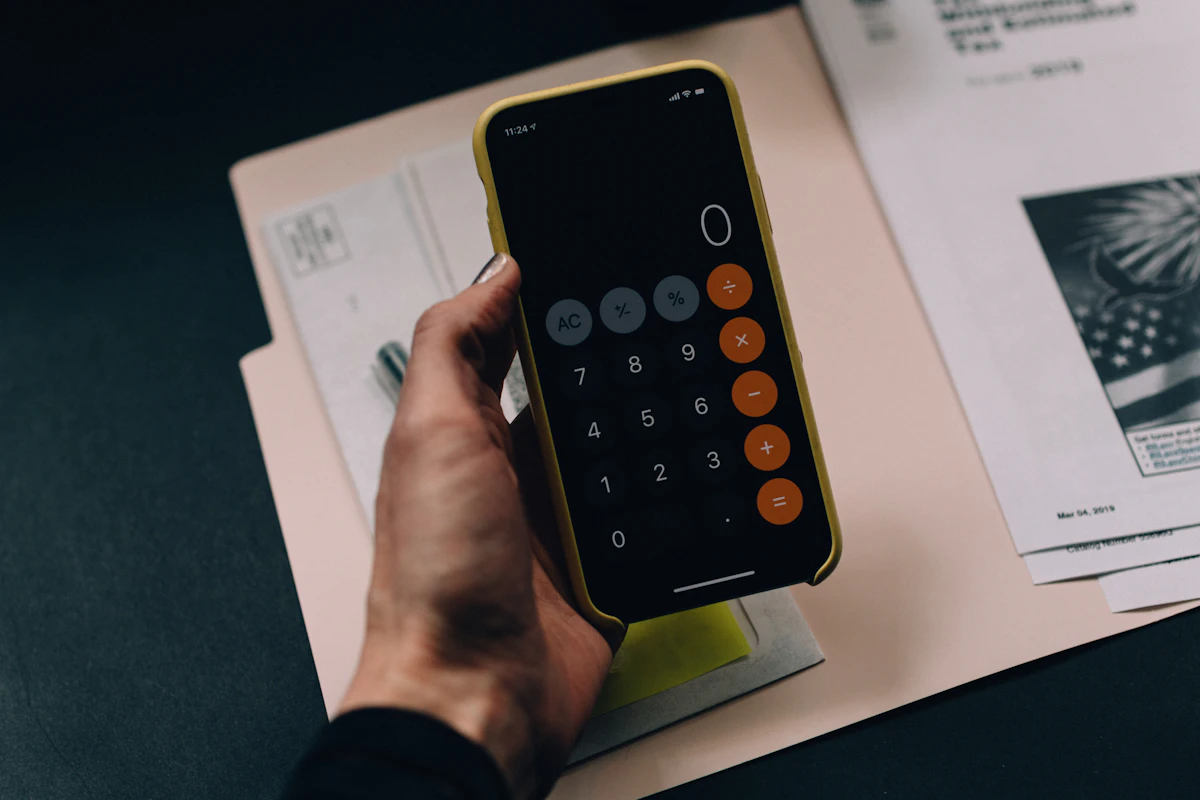
Budget Event Selalu Meleset? Ini Penyebabnya
Anggaran Event Anda Terus Membengkak? Ini Penyebabnya
Anda merencanakan event dengan anggaran Rp 150 juta. Realisasinya Rp 200 juta. Terulang lagi. Kelebihan anggaran bukan soal nasib sial — itu konsekuensi yang bisa diprediksi dari kesalahan perencanaan yang sama. Berikut alasan kenapa anggaran event Anda terus jebol dan bagaimana cara mengatasinya.
Alasan 1: Meremehkan biaya vendor
Masalahnya: Anda menerima quotation dari venue yang sudah termasuk "basic AV". Lalu baru tahu bahwa "basic AV" artinya satu mikrofon dan proyektor yang kurang layak pakai. AV profesional kena biaya tambahan. Begitu juga dekorasi, fotografi, dan entertainment.
Di Jakarta, hotel dan venue menjual "meeting package" yang terlihat lengkap di atas kertas, tapi sangat minimal dalam praktiknya. Paket tersebut mungkin tidak termasuk stage riser, sound system yang layak untuk musik, peralatan cadangan, atau operator AV khusus. Hal serupa terjadi pada paket catering yang tidak termasuk snack atau menu khusus diet, serta paket dekorasi yang hanya mencakup backdrop sederhana.
Solusinya: Minta quotation terperinci (itemized) yang menjelaskan persis apa saja yang termasuk. Tanyakan "apa yang TIDAK termasuk?" sebelum tanda tangan.
Agar quotation vendor benar-benar bisa dibandingkan, minta mereka memecah detail menjadi:
- Sewa venue vs. minimum spend vs. meeting package
- Rincian peralatan AV dan jam operasional
- Kebutuhan tenaga kerja (teknisi, operator, usher, stage crew)
- Waktu setup dan teardown, termasuk potensi biaya lembur
- Service charge dan pajak
Saat semua tercantum secara terpisah, Anda bisa lebih cepat melihat celah — misalnya ternyata Anda masih butuh vendor LED screen terpisah, atau proyektor "include" terlalu kecil untuk 300 peserta.
Alasan 2: Tidak ada anggaran kontinjensi
Masalahnya: Anggaran dari awal sudah sangat ketat, tanpa ruang untuk hal tak terduga. Lalu seperti biasa, selalu ada yang meleset — vendor batal, cuaca memaksa pindah venue, atau muncul kebutuhan mendadak.
Event korporat jarang berjalan 100% sesuai rencana. Manajemen bisa tiba-tiba memutuskan mengundang lebih banyak klien, persyaratan keamanan berubah, atau tamu penting mendadak minta dijemput di bandara. Tanpa buffer, setiap masalah kecil berubah menjadi krisis anggaran.
Solusinya: Sisipkan kontinjensi 15–20% di setiap anggaran event. Ini bukan "uang ekstra" — ini asuransi terhadap kejutan yang hampir pasti terjadi.
Perlakukan kontinjensi sebagai bagian dari desain event, bukan "pos yang harus dihabiskan". Buat aturan sederhana kapan kontinjensi boleh digunakan:
- Hanya untuk perubahan tak terencana tapi penting yang diminta stakeholder senior
- Hanya untuk penyesuaian teknis, keamanan, atau kepatuhan (compliance)
- Bukan untuk upgrade kosmetik yang bisa dihapus tanpa mengganggu objektif event
Alasan 3: Scope creep (ruang lingkup melebar diam-diam)
Masalahnya: Event awalnya hanya makan siang tim sederhana. Lalu ada yang mengusulkan undang guest speaker. Lalu hiburan. Lalu photo booth. Setiap tambahan terlihat kecil, tetapi akumulasinya besar.
Di konteks korporat, scope creep sering datang dari berbagai departemen yang ingin menempelkan objektif mereka ke event yang sama. HR ingin aktivitas engagement, marketing ingin product highlight, sales ingin sesi lead generation. Gathering yang tadinya sederhana pelan-pelan berubah menjadi mini conference multi-track — tetapi anggarannya tetap di level "makan siang tim".
Solusinya: Definisikan ruang lingkup event secara tertulis sebelum perencanaan dimulai. Setiap perubahan wajib melalui persetujuan anggaran. Aturan sederhana: kalau menambah sesuatu, harus ada yang dikurangi.
Buat event brief singkat yang menjawab:
- Apa tujuan utama event ini?
- Siapa audiens utama?
- Elemen apa saja yang tidak bisa dikompromikan (non-negotiable)?
- Elemen mana yang hanya "nice to have" jika anggaran memungkinkan?
Saat ada usulan tambahan, tanyakan: "Jika kita tambahkan ini, apa yang bisa hilangkan atau downgrade supaya anggaran tetap seimbang?"
Alasan 4: Perubahan mendadak
Masalahnya: CEO ingin ganti venue dua minggu sebelum hari H. Tim marketing ingin menambah sesi product demo. Tim sales ingin mengundang 50 tamu tambahan. Perubahan mendadak itu mahal karena vendor akan mengenakan rush fee.
Perubahan telat juga memicu efek berantai: layout kursi baru, desain badge baru, rundown diperbarui, slide direvisi, setting teknis berubah, dan material cetak diulang. Di Jakarta, timeline yang terkompresi sering berarti cetak ekspres, tambahan kru, dan jam kerja lembur.
Solusinya: Kunci (lock) keputusan minimal satu bulan sebelum event. Komunikasikan sejak awal bahwa perubahan setelah tanggal ini akan menimbulkan biaya tambahan. Mayoritas perubahan last minute sebenarnya tidak perlu.
Tentukan tanggal "decision freeze" yang jelas di project timeline. Setelah tanggal tersebut, kategorikan setiap permintaan perubahan sebagai "kritis" atau "nice to have" dan selalu lampirkan estimasi biaya dan tingkat risiko. Ketika stakeholder melihat bahwa satu perubahan berarti "tambahan Rp 25 juta dan risiko eksekusi lebih tinggi", banyak yang akan memilih bertahan dengan rencana semula.
Alasan 5: Meremehkan logistik
Masalahnya: Anggaran sudah mencakup venue dan catering, tapi lupa mengalokasikan transportasi, signage, badge, waktu sound check, kru setup, dan belasan kebutuhan logistik lain.
Realita Jakarta — kemacetan, keterbatasan parkir, aturan loading dock, dan kebijakan manajemen gedung — menjadikan logistik sebagai pendorong biaya yang signifikan. Jika Anda tidak menganggarkan loading dini hari, tambahan keamanan, atau kru ekstra, biaya-biaya ini akan muncul nanti sebagai pengeluaran mendesak.
Solusinya: Buat checklist logistik yang lengkap sebelum menyusun anggaran. Setiap item harus punya estimasi biaya.
Checklist logistik yang praktis biasanya mencakup:
- Loading dan akses: jadwal, izin gedung, service lift, parkir truk
- Kru on-site: tim registrasi, usher, runner, stage manager, kru teknis
- Alur peserta: meja registrasi, pembatas antrian, signage arah, meja informasi
- Material: badge, lanyard, pulpen, notepad, form feedback, nomor meja
- Waktu teknis: sound check, rehearsal, sesi briefing, waktu kontinjensi
Berikan estimasi biaya atau angka placeholder untuk setiap item, sehingga Anda tidak "kaget" oleh satu kategori biaya yang belum pernah dipikirkan.
Alasan 6: Tidak melakukan negosiasi
Masalahnya: Anda menerima quotation pertama dari setiap vendor. Tanpa negosiasi, tanpa membandingkan, tanpa memanfaatkan posisi tawar. Total biaya akhirnya 20–30% lebih tinggi dari yang seharusnya.
Banyak supplier event di Jakarta menyisakan ruang fleksibilitas, terutama untuk klien korporat yang berpotensi mengadakan banyak event tiap tahun. Jika Anda menerima harga pertama tanpa bertanya, Anda kehilangan peluang mendapatkan harga lebih baik, paket yang lebih lengkap, atau value-add seperti jam tambahan, upgrade menu, atau meeting room complimentary.
Solusinya: Dapatkan minimal tiga quotation untuk setiap pos biaya utama. Bernegosiasilah dengan vendor yang sudah established. Gabungkan beberapa kebutuhan pada satu vendor untuk mendapatkan volume discount.
Negosiasi tidak selalu berarti menekan harga serendah mungkin. Anda juga bisa:
- Menanyakan apa yang bisa di-include dengan rate yang sama (misalnya satu coffee break tambahan atau satu mikrofon wireless ekstra)
- Mengeksplor tanggal off-peak atau opsi half-day yang menurunkan biaya signifikan
- Menawarkan potensi kerja sama jangka panjang atau repeat event sebagai dasar terms yang lebih baik
- Menggabungkan kebutuhan (AV + livestream + recording) di satu vendor untuk paket yang lebih efisien
Alasan 7: Isu mata uang dan timing
Masalahnya: Harga naik di peak season (Oktober–Desember). Harga naik karena inflasi. Harga naik jika Anda booking terlalu mepet. Semua ini memengaruhi anggaran.
Jika event Anda melibatkan material impor, pembicara luar negeri, atau layanan teknologi yang ditagihkan dalam mata uang asing, fluktuasi kurs dapat dengan cepat menggerus anggaran yang ketat. Bahkan untuk event lokal, proses persetujuan internal yang lambat sering membuat masa berlaku quotation habis dan harus diterbitkan ulang dengan harga lebih tinggi, terutama mendekati peak period.
Solusinya: Booking lebih awal. Kunci harga bila memungkinkan. Hindari peak season jika anggaran ketat. Pahami bahwa quotation adalah estimasi, bukan jaminan harga permanen.
Saat meminta quotation, selalu tanyakan:
- Berapa lama quotation ini berlaku?
- Apakah ada seasonal surcharge atau tanggal blackout?
- Apa kebijakannya jika kami perlu reschedule?
Lalu susun timeline persetujuan internal Anda dengan mengacu ke masa berlaku tersebut, sehingga Anda tidak membayar lebih hanya karena approval berjalan terlalu lambat.
Alasan 8: Tidak ada tracking real-time
Masalahnya: Anggaran hanya dipantau di spreadsheet yang diperbarui sebulan sekali. Saat kelebihan anggaran terdeteksi, sudah terlambat untuk dikoreksi.
Jika hanya satu orang yang memegang file anggaran dan memperbaruinya sesekali, anggota tim lain bisa saja menyetujui biaya tambahan tanpa memahami dampaknya. Purchase order diterbitkan dan vendor mulai produksi sementara semua orang berasumsi "seharusnya masih aman".
Solusinya: Pantau pengeluaran secara real-time. Gunakan sistem sederhana — bahkan spreadsheet bersama yang diperbarui harian sudah cukup. Review anggaran vs realisasi setiap minggu.
Siapkan dokumen anggaran utama dengan kolom minimal:
- Anggaran awal
- Nilai komitmen (PO atau proposal yang sudah ditandatangani)
- Realisasi (invoice yang diterima atau sudah dibayar)
- Varians (selisih dengan anggaran)
Tetapkan satu budget owner yang bertanggung jawab memperbarui file setiap ada biaya baru yang disetujui. Weekly review dengan tim inti kemudian menjadi sesi pengambilan keputusan: jika satu pos over budget, di mana kita bisa menghemat untuk mengompensasi?
Cara menyusun anggaran event yang benar-benar bekerja
Langkah 1: Daftar semua kebutuhan
Buat daftar lengkap semua pengeluaran. Bukan hanya yang besar. Sertakan:
- Sewa venue
- Catering (makanan + minuman)
- Peralatan AV + operator
- Dekorasi + setup
- Fotografi + videografi
- Transportasi + parkir
- Signage + badge
- Entertainment + MC
- Kontinjensi (15–20%)
Untuk event korporat di Jakarta, juga tambahkan:
- Desain dan cetak (backdrop, banner, agenda, table tent)
- Honor pembicara atau moderator
- Merchandise, door prize, dan gift
- Platform registrasi atau event app
Aturannya sederhana: jika sesuatu muncul di event atau ada orang yang harus mengerjakannya, kemungkinan besar itu butuh pos anggaran.
Langkah 2: Dapatkan quotation nyata
Jangan hanya mengira-ngira. Minta quotation aktual dari vendor. Bandingkan harga. Negosiasi. Pahami harga pasar yang sesungguhnya di Jakarta.
Hindari asumsi seperti "harusnya mirip tahun lalu" tanpa cek ulang. Minta quotation tertulis untuk tanggal, jam, dan format event yang spesifik. Simpan semua proposal dalam satu folder bersama dan gunakan sheet perbandingan sederhana agar Anda bisa menjelaskan pilihan vendor ke manajemen dengan angka jelas.
Langkah 3: Tambahkan kontinjensi
Ambil total dan tambahkan 15–20%. Itulah anggaran riil Anda. Jika Anda tidak mampu menyertakan kontinjensi, artinya Anda sebenarnya tidak mampu mengadakan event tersebut.
Jika angka akhirnya terasa terlalu tinggi, jangan hapus kontinjensi hanya untuk membuat spreadsheet terlihat lebih "rapi". Sebaliknya, tinjau kembali konsep event dan identifikasi elemen yang bisa disederhanakan — mengurangi jumlah sesi, menurunkan skala dekorasi, atau memilih venue yang sudah memiliki fasilitas AV yang memadai.
Langkah 4: Pantau setiap hari
Perbarui tracker anggaran Anda setiap hari. Bandingkan realisasi vs rencana. Jika ada pos yang mulai melampaui rencana, tangani segera.
Catat setiap komitmen baru segera setelah disetujui: proposal yang ditandatangani, honor pembicara yang dikonfirmasi, atau permintaan desain tambahan. Walaupun hanya beberapa menit per hari, Anda selalu memiliki gambaran posisi keuangan yang aktual.
Langkah 5: Laporan mingguan
Bagikan status anggaran ke stakeholder setiap minggu. Transparansi mencegah kejutan dan membangun kepercayaan.
Ringkasan mingguan singkat sudah cukup:
- Total anggaran saat ini vs total komitmen
- Kategori mana yang mulai di atas atau di bawah rencana
- Keputusan apa yang dibutuhkan untuk tetap dalam koridor anggaran
Saat stakeholder melihat angka secara rutin, mereka menjadi partner dalam menjaga anggaran.
Realita harga event di Jakarta
Berikut beberapa benchmark kasar untuk event korporat di Jakarta:
| Item | Kisaran Anggaran | Catatan |
|---|---|---|
| Hotel ballroom (half day) | Rp 30–80M | Tergantung kelas hotel |
| Catering (per orang) | Rp 150–350K | Buffet adalah standar |
| Setup AV basic | Rp 10–25M | Proyektor, screen, mic, speaker |
| AV profesional | Rp 25–60M | Multi-camera, LED, lighting |
| Fotografi | Rp 5–15M | Dokumentasi event |
| Videografi | Rp 10–25M | Highlight reel + full recording |
| Dekorasi | Rp 10–30M | Tergantung tema dan kompleksitas |
| MC/entertainment | Rp 5–20M | MC profesional, band, atau DJ |
Ini adalah kisaran. Biaya aktual tergantung venue, vendor, dan kebutuhan spesifik. Gunakan angka-angka ini sebagai starting point untuk diskusi internal. Jika ekspektasi mengarah ke pengalaman premium bintang lima, tetapi anggarannya lebih cocok untuk level entry, bahas gap ini sejak awal sehingga scope atau kategori venue bisa disesuaikan sebelum negosiasi dimulai.
Mindset disiplin anggaran
Disiplin anggaran bukan berarti pelit. Ini tentang memaksimalkan value dari setiap rupiah yang dikeluarkan. Perusahaan yang mahir mengelola anggaran event biasanya:
- Lebih banyak berinvestasi di hal yang berdampak (AV berkualitas, makanan yang baik)
- Lebih sedikit menghabiskan untuk hal yang tidak berdampak besar (dekorasi berlebihan)
- Mencatat setiap pengeluaran secara real-time
- Mengambil keputusan berdasarkan value, bukan sekadar harga
- Belajar dari setiap event dan menyempurnakan anggaran berikutnya
Setelah event, mereka mengevaluasi pos anggaran mana yang konsisten tidak terpakai penuh, supplier mana yang layak dijadikan partner jangka panjang, dan keputusan mana yang menghemat biaya tanpa menurunkan pengalaman peserta.
Sedang pusing dengan anggaran event yang terus jebol? Hubungi EO Jakarta untuk pricing yang transparan dan manajemen anggaran yang profesional.
Artikel Terkait

Langkah selanjutnya
Ingin mempraktikkan apa yang baru Anda baca?
Tim kami siap membantu dari tahap awal — punya gambaran kasar pun tidak apa-apa. Ngobrol dulu, gratis.